
Synthetic character
Generated from a prompt


Media Studio · Ad Builder · Casting Engine
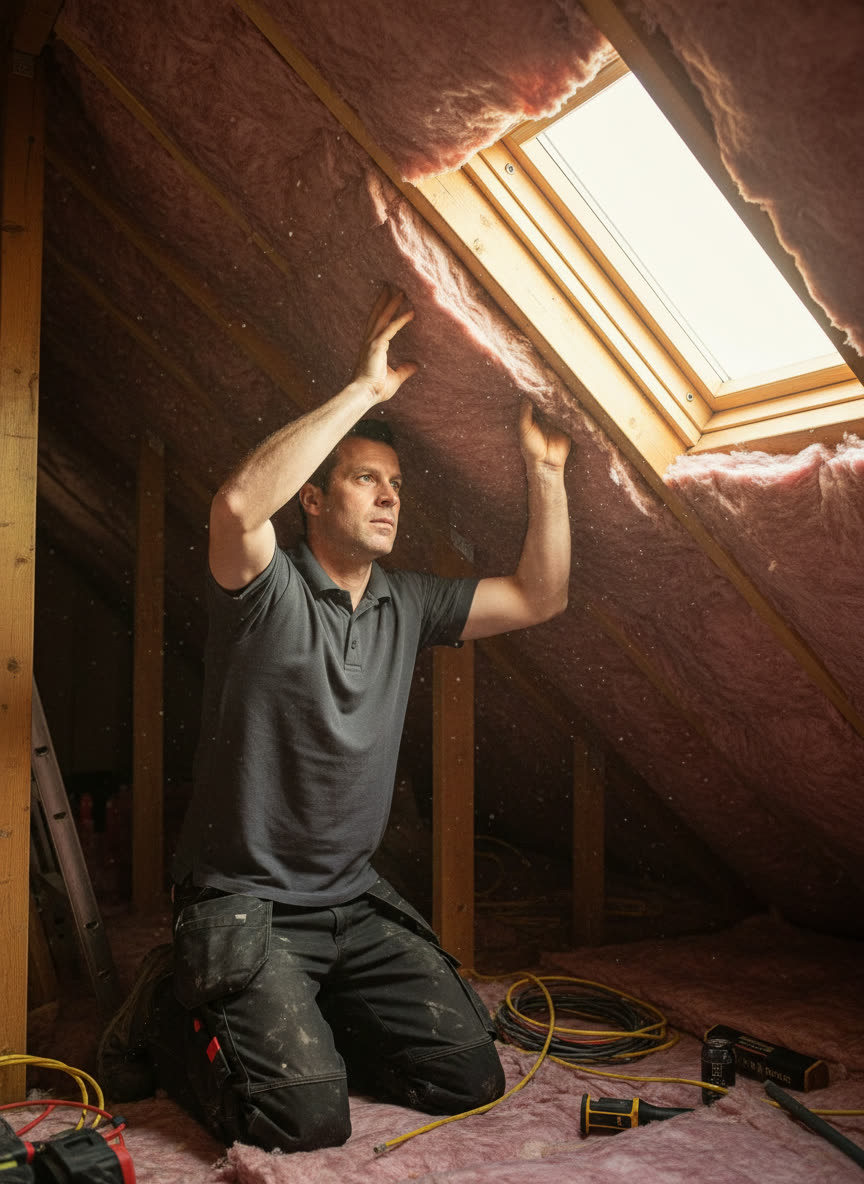
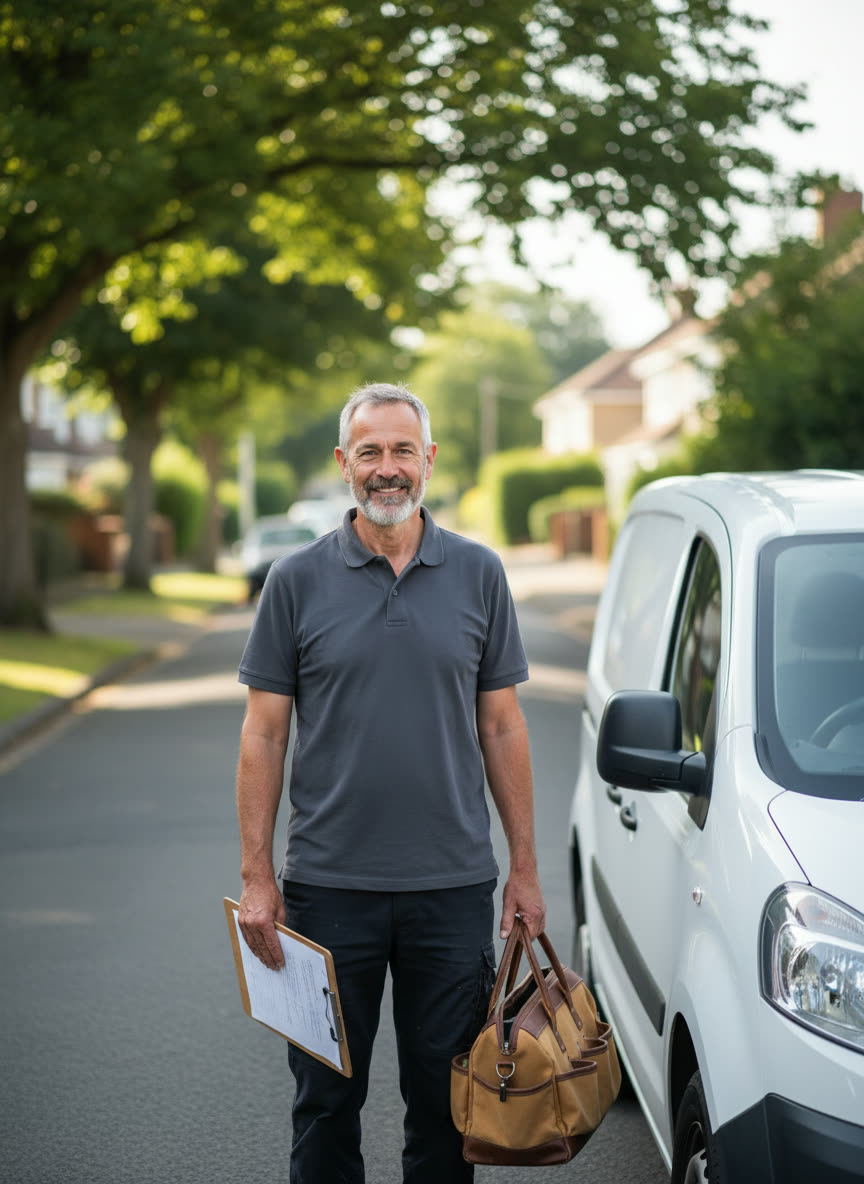
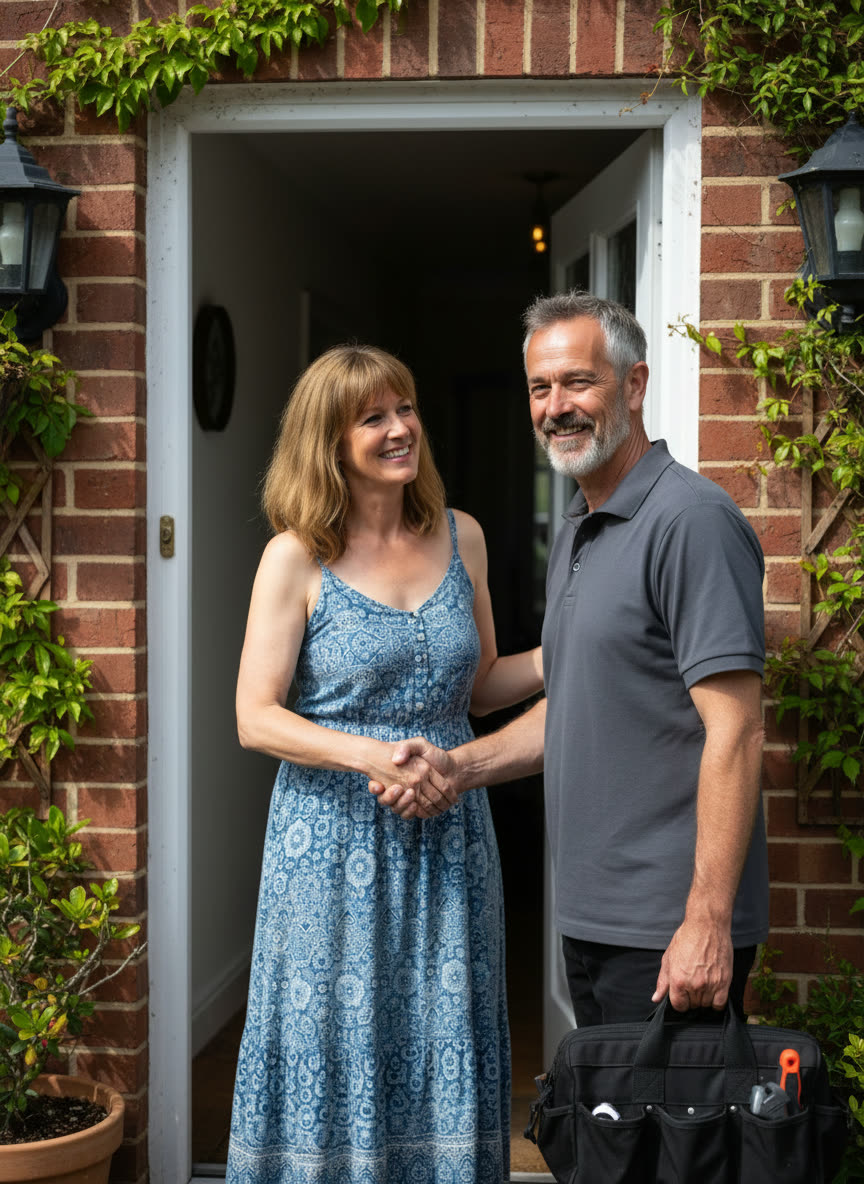
Pick a synthetic character, or upload one photo of the owner. Either way you get a locked person — held identical across every scene of the ad, and brought to life in motion. This is the engine that casts a Media Studio ad.

01 — The consistency proof
Three product scenes — arriving at the van, on the tools, booking the job at the door. Both faces stay unmistakably themselves. No two-different-men, no handshake with thin air.

02 — In motion
Each still is animated — the face holds through the motion, too. Tap any clip to play.
03 — The owner, talking
The same owner from the scenes above — from that one photo — now delivers the pitch to camera. Real UGC, in their face, without a film crew. Voice, script and captions are all swappable.
04 — How it becomes an ad
Pick a synthetic character or upload the owner's photo. One locked person, reusable across the whole ad library.
The AI director drafts the storyboard — van, tools, doorstep, talking-head — and composites each scene with your locked face.
Captions, logo and voice go on; it renders and publishes to Meta — then reads back which cuts convert, and makes more.